Published in U.S. Catholic, December 2010
 Let’s not only be green when summer’s here but also during the most wonderful time of the year.
The anticipation was over, the gifts all opened, and nothing left to do except take it all in. Even when I was little, it was one of my favorite moments of Christmas. I’d sit with my loot sorted next to me and survey the living room while peeling the customary orange from my stocking. Red, green, and patterned wrapping paper covered the floor, and the cats, high on new catnip, would be attacking a bow under the tree.
I loved getting the orange, along with an apple and nuts (and chocolate, of course) in my stocking. It felt so Little House on the Prairie, as if these were exotic fruits, a special treat savored in the middle of the winter and not an ordinary purchase at the grocery store. I imagined Pa trekking home from town with brown paper packages—one each for Ma and us girls—getting caught in the blizzard and having to eat our special Christmas treat to survive. Ah, those were the days!
It’s not that I wanted to give up the Nintendo, books, and whatever other toys I got for this frontier fantasy. But at some age I started to see the effect of all my gifts. Eventually my moment of Christmas bliss was over, and we would have to stuff trash bag after trash bag with packages and shiny wrapping paper. According to use-less-stuff.com, Americans produce 25 percent more waste from Thanksgiving to New Year’s, amounting to 25 million tons of extra trash.
Is this any way to celebrate Christ’s birth? …
Read more on USCatholic.org
PDF of “I’ll be green for Christmas”
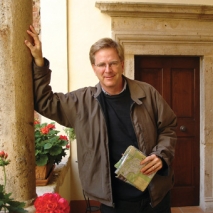



 Megan Sweas
I’ll be green for Christmas
Published in U.S. Catholic, December 2010
The anticipation was over, the gifts all opened, and nothing left to do except take it all in. Even when I was little, it was one of my favorite moments of Christmas. I’d sit with my loot sorted next to me and survey the living room while peeling the customary orange from my stocking. Red, green, and patterned wrapping paper covered the floor, and the cats, high on new catnip, would be attacking a bow under the tree.
I loved getting the orange, along with an apple and nuts (and chocolate, of course) in my stocking. It felt so Little House on the Prairie, as if these were exotic fruits, a special treat savored in the middle of the winter and not an ordinary purchase at the grocery store. I imagined Pa trekking home from town with brown paper packages—one each for Ma and us girls—getting caught in the blizzard and having to eat our special Christmas treat to survive. Ah, those were the days!
It’s not that I wanted to give up the Nintendo, books, and whatever other toys I got for this frontier fantasy. But at some age I started to see the effect of all my gifts. Eventually my moment of Christmas bliss was over, and we would have to stuff trash bag after trash bag with packages and shiny wrapping paper. According to use-less-stuff.com, Americans produce 25 percent more waste from Thanksgiving to New Year’s, amounting to 25 million tons of extra trash.
Is this any way to celebrate Christ’s birth? …
Read more on USCatholic.org
PDF of “I’ll be green for Christmas”